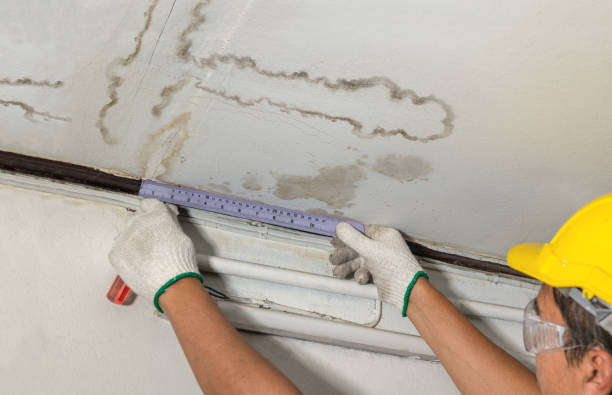
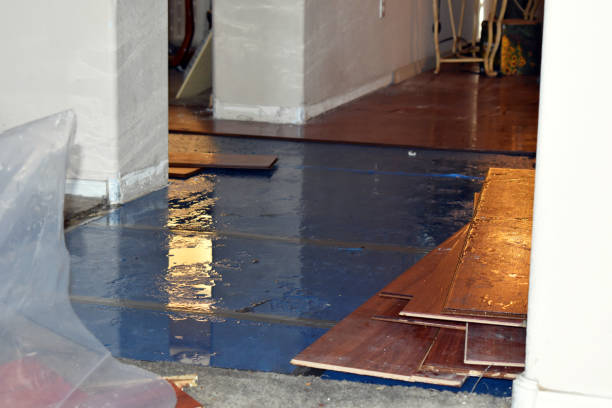
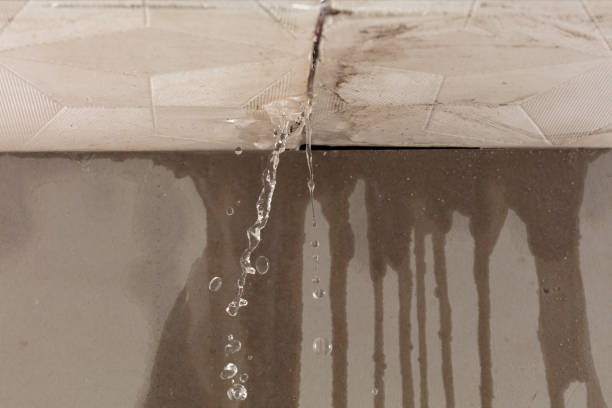
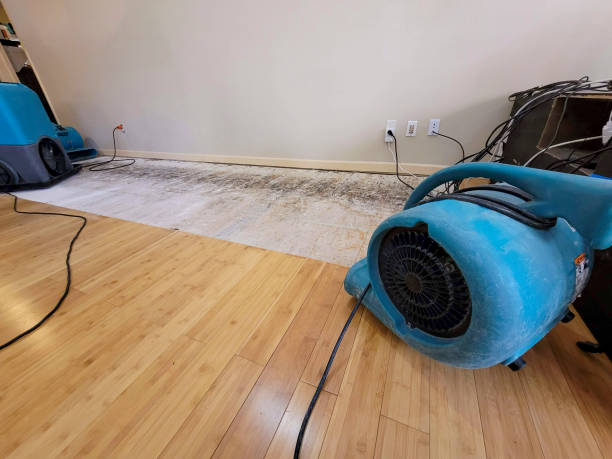
A burst supply line, an overflowing tub, or a storm surge under the back door doesn't wait for business hours, and neither do we. We dispatch Lake in the Hills units carrying industrial extraction pumps, air movers, and commercial dehumidifiers already loaded on the truck.

Hirex Water Damage started because homeowners in Lake in the Hills, IL kept telling us the same story: a national hotline picked up, put them on hold, and then subcontracted the job out to whoever was cheapest and closest. Every technician on our Lake in the Hills roster is a Hirex Water Damage employee, not a gig-app contractor pulled from a random directory.
Our senior technicians are IICRC-certified and have worked everything from a clean supply-line break to a full sewage backup, so Basement Flooding in Lake in the Hills isn't a side service we tacked on — it's the reason the company exists. Full liability coverage and Lake in the Hills, IL licensing back every job we take, so you're protected from the moment our truck pulls into the driveway.
Our Lake in the Hills, IL-based equipment cache means drying gear is already close by, not stuck in a truck three states away.
Ask any Lake in the Hills property manager who has dealt with a burst supply line at 3am — the difference between a crew that shows up ready and one still loading a truck at the shop is measured in gallons of water soaking into your subfloor. That's the gap Hirex Water Damage was built to close, one Lake in the Hills call at a time.
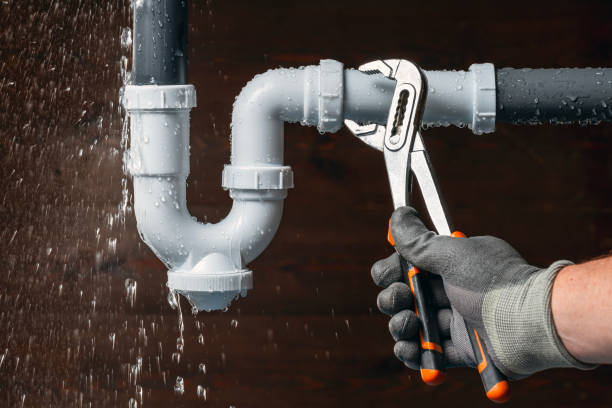
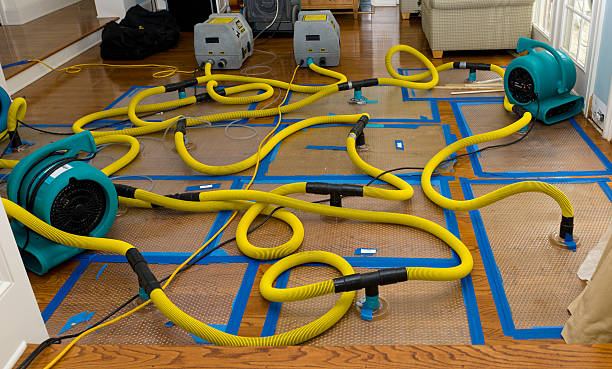
The most expensive Lake in the Hills restoration jobs we run almost never started as a dramatic flood; they started as something small that got put off. Here's what tells us a property needs professional attention rather than a mop and a fan:
If any of that sounds familiar, don't wait for it to get worse — call our Lake in the Hills line and we'll tell you honestly whether it's a same-day emergency or something we can schedule.
From a single soaked bedroom to a commercial building with three flooded floors, our Lake in the Hills teams are equipped to scale up or down — nothing gets a cookie-cutter response.
Truck-mounted extraction equipment on every Lake in the Hills rig pulls high volumes of standing water fast, so drying starts the same day instead of the next. Every extraction job includes moisture mapping so we know exactly which materials are still holding water once the visible flooding is gone.
We place industrial dehumidifiers and air movers based on actual psychrometric calculations, not a standard equipment count per room, with daily drying logs so you can see the numbers improving, not just take our word for it.
For families in Lake in the Hills, this covers flood-cut drywall removal, subfloor evaluation, and packing out salvageable belongings for cleaning, with clear photo documentation at every stage for your insurance claim.
For commercial Lake in the Hills accounts, we assign a project lead, run crews after normal hours to reduce downtime, and bring equipment sized to the actual footprint — we know a flooded lobby or a leaking unit above tenants below has to move fast.
When a Lake in the Hills job involves sewage backup, our team suits up in full PPE, applies EPA-registered antimicrobials, and safely disposes of porous materials that can't be saved.
On top of standard drying, our Lake in the Hills crews treat affected materials to reduce mold risk and will be upfront if a section needs specialist remediation.

We quote the job before equipment gets plugged in, so there's no surprise line item buried in the final invoice.
Our Lake in the Hills, IL warehouse keeps drying equipment close, which typically puts a Lake in the Hills tech at your door inside an hour.
We document everything with photos and moisture logs and work directly with your adjuster so you're not stuck translating restoration jargon.
We don't call a job finished until the moisture meter agrees, and if it doesn't, we return at no additional cost.
Tell our Lake in the Hills dispatcher what's happening — we'll ask a few quick questions to send the right equipment on the first trip.
A licensed technician heads to your Lake in the Hills address with extraction and drying equipment already loaded.
Extraction happens immediately, followed by a moisture survey that tells us precisely where the drying equipment needs to go.
We re-check moisture levels daily until materials hit dry standard, then hand you full documentation for your records or your insurer.

Every Lake in the Hills job gets closed based on instrument readings, not a visual check, and we won't call it finished until the numbers say it's finished. If a callback shows lingering moisture within 30 days of a completed job, we return and correct it at no additional charge.
You'll find that exact commitment printed on your Lake in the Hills paperwork, not just mentioned over the phone. A repeat visit under this guarantee doesn't mean starting over — we pull the original moisture logs and pick up exactly where the last visit left off.

"We had standing water from a burst water heater and the technician showed up before I even finished mopping the entry way." — Danielle R.
"They dealt with my insurance adjuster directly and I didn't have to translate a single restoration term myself." — Marcus T.
"The drying logs they left behind actually made sense — I could see the numbers dropping every day until it was done." — Priya S.
"Our restaurant flooded from a line break in the kitchen and they had us back open in three days flat." — Aaron W.
"They handled a blackwater situation in our basement without making me feel like it was a bigger disaster than it was." — Lena G.
"Final bill matched the estimate to the dollar, which is rarer than it should be in this industry." — Sam O.
Because our equipment is staged inside Lake in the Hills, IL, most Lake in the Hills calls see a technician on-site within 60 to 90 minutes of the initial call.
Upfront, written pricing is standard on every Lake in the Hills job, not an add-on option.
Emergency extraction, structural drying, and sewage/contaminated water cleanup are all available 24/7 for Lake in the Hills properties.
Yes, we document everything with photos and moisture readings and can communicate directly with your adjuster.
We take moisture meter readings on affected materials and compare them against the dry standard for that material type — a visual check alone isn't enough.
Blackwater and sewage response is a core part of what our Lake in the Hills team does, not a job we sub out.
Turn off the water supply if you can reach it safely, keep people and pets out of the flooded area, and don't run electrical devices near standing water.
We scale crews and equipment for commercial Lake in the Hills accounts and assign a dedicated project lead for anything beyond a single unit.
Drying time varies with material and how quickly extraction started, but 3 to 5 days is typical for most Lake in the Hills jobs.
Mold isn't inevitable, but the window to prevent it is narrow, which is why we treat speed as part of the Lake in the Hills service, not an upsell.
We stand behind every Lake in the Hills job with a documented dry-standard guarantee and a 30-day callback policy.
See the zip codes and nearby cities listed below — our Lake in the Hills crews cover that full radius.
Beyond Lake in the Hills itself, our coverage extends across nearby zip codes, with additional Lake in the Hills, IL crews available for large-scale or commercial losses. If your address falls inside or near Lake in the Hills, a Hirex Water Damage crew can typically respond the same day.
— Embedded service-area map for Lake in the Hills, Lake in the Hills, ILOne call gets you a Lake in the Hills-based team, not a routed national queue.
Call +1-844-234-5373